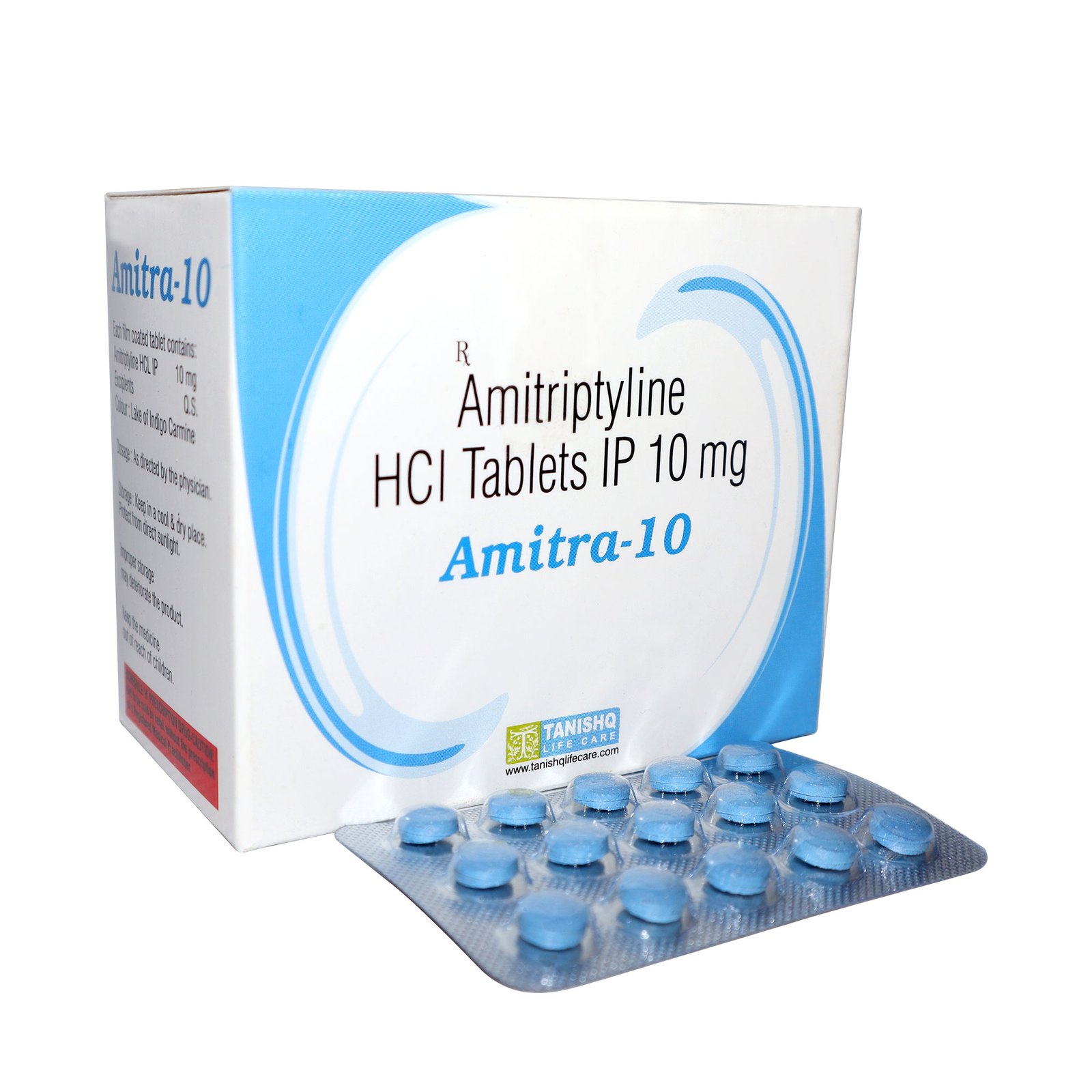
Amitriptyline 10mg Tablet
Amitriptyline is a tricyclic antidepressant primarily used to treat depression, but it is also commonly prescribed for other conditions such as chronic pain, migraine prevention, and anxiety disorders. It works by influencing the balance of certain neurotransmitters in the brain, like serotonin and norepinephrine, which can help improve mood, alleviate pain, and reduce anxiety.
- Recommended Usage
Indications
- Major Depressive Disorder (MDD): Treats symptoms of depression, including sadness, lack of interest, and low energy.
- Chronic Pain: Used to manage pain conditions such as fibromyalgia, neuropathic pain, and lower back pain.
- Migraine Prevention: Amitriptyline helps reduce the frequency and intensity of migraines.
- Anxiety Disorders: It may be used off-label for generalized anxiety disorder (GAD) and other anxiety-related conditions.
- Insomnia: Due to its sedating effects, it may be prescribed to improve sleep in certain cases.
Dosage and Administration
Starting Dose: 10mg at bedtime is typically the starting dose for adults.
Adjustment: The dosage may be increased based on the individual's response, usually up to a maximum of 75mg to 100mg per day.
Elderly or sensitive individuals: Initial lower doses (e.g., 10-25mg) are recommended to avoid side effects.
Precautions
Allergy: Do not use if you are allergic to amitriptyline or other tricyclic antidepressants.
Heart Conditions: Use cautiously in individuals with a history of heart problems, such as arrhythmias, heart disease, or high blood pressure.
Glaucoma: Amitriptyline may worsen narrow-angle glaucoma.
Liver or Kidney Disease: Those with liver or kidney issues should use it under careful medical supervision, as dosage adjustments may be necessary.
Pregnancy & Breastfeeding: Amitriptyline should be used only if the benefits outweigh the risks during pregnancy and lactation, and it is recommended to consult a healthcare provider.
Suicidal Thoughts: Like many antidepressants, amitriptyline may increase suicidal thoughts in young people, especially in the early stages of treatment.
Benefits
Improved Mood: Amitriptyline is effective in reducing the symptoms of depression and improving overall mood.
Pain Relief: It provides relief from chronic pain and neuropathic conditions.
Migraine Prevention: Reduces the frequency and severity of migraines, making it useful for long-term migraine management.
Better Sleep: Its sedative effects help improve sleep quality, especially in individuals with insomnia due to depression or anxiety.
Anxiolytic Effects: It helps reduce anxiety symptoms in some individuals.
